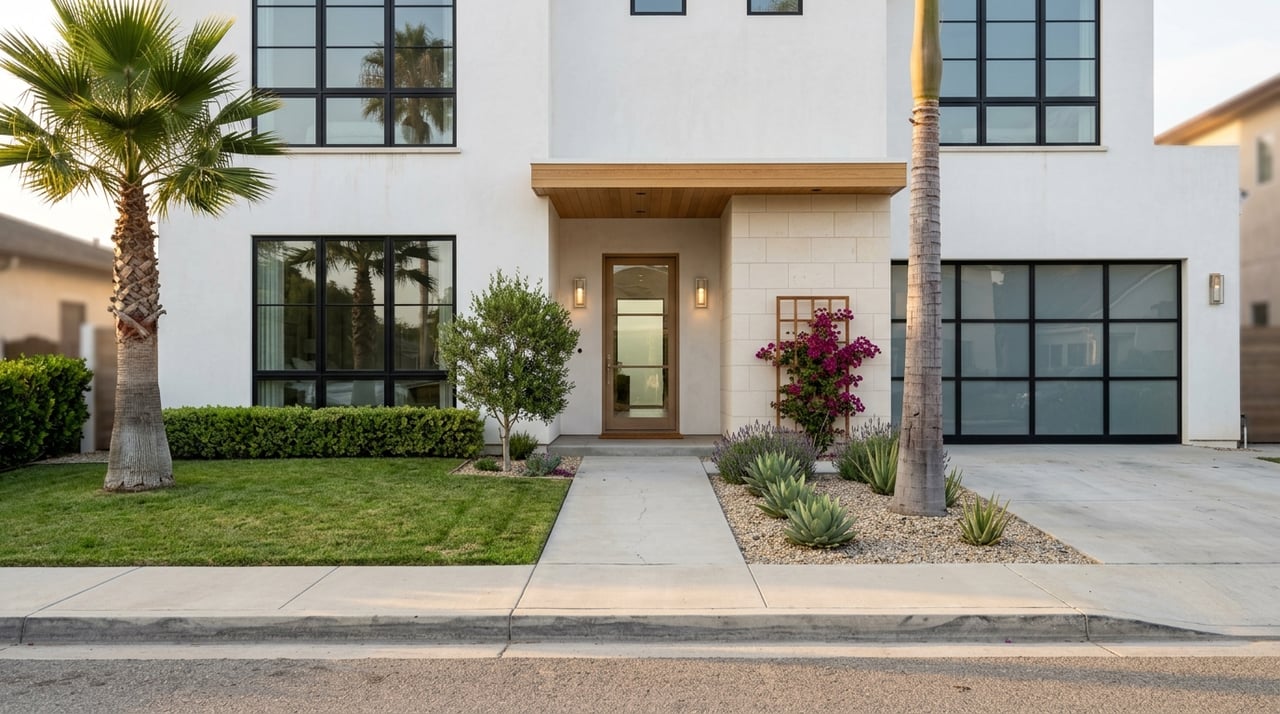
Seal Beach Coastal Lifestyle and What Daily Living Is Like
July 9, 2026
July 9, 2026
Looking for a beach town that feels lived-in instead of built around crowds? Seal Beach stands out for its quieter pace, walkable daily routines, and distinct local character. If you are wondering what everyday coastal living really feels like here, this guide will help you picture the rhythm, housing, and lifestyle that shape day-to-day life. Let’s dive in.
Seal Beach is a small coastal city with about 24,075 residents across 11.27 square miles. That smaller scale helps shape a more intimate, neighborhood-based feel than you may find in larger nearby beach cities.
The city also shows signs of long-term stability. According to Census data, 76.6% of housing is owner-occupied, 89.7% of residents lived in the same home a year earlier, and the average household size is 1.90 people. Together, those numbers suggest a community where people tend to stay put and settle into familiar routines.
Another defining part of Seal Beach is its age profile. About 43.7% of residents are 65 or older, which contributes to a more mature, daytime-oriented atmosphere than many Southern California beach towns.
One of the clearest things about Seal Beach is that daily life often revolves around short trips and familiar places. City planning documents describe Main Street as a small-town, pedestrian-oriented district that helps unify a city made up of several distinct areas.
That matters because Seal Beach does not read like one continuous resort strip. City documents identify areas such as Old Town/Surfside, Leisure World, and College Park, which helps explain why the city feels more like connected local pockets than a single commercial beachfront zone.
For you as a resident, that often means everyday life can feel simple and repeatable in a good way. You may find yourself making quick errands, seeing familiar storefronts, and spending time in places designed for local use rather than heavy regional traffic.
Main Street is only three blocks long, but it plays an outsized role in how Seal Beach functions day to day. The city describes it as a mix of street-level businesses with offices above, along with practical daily-use spots such as a grocery store, post office, hardware store, movie theater, and cafes.
That combination gives the area more of a village-center feel than a destination-shopping feel. Instead of long stretches of retail, you get a compact district built around daily convenience and pedestrian activity.
If you value being able to handle basic errands without driving all over town, this setup can be a big part of Seal Beach’s appeal. The scale is modest, but that is exactly what many people like about it.
Coastal living in Seal Beach is not just about views. It is also about access. The city has two miles of coastal beaches and 80.3 acres of beach area, with a wide sandy shoreline that remains central to the local experience.
The pier is one of the defining features of the waterfront. The city recently restored the pier concrete abutment, which serves as the primary access point to the pier and nearby beach and park areas.
In practical terms, that means the beach is not only scenic. It is woven into everyday life. Whether you picture a morning walk, time near the shoreline, or a simple visit to the pier area, the waterfront is part of the city’s regular rhythm.
Seal Beach offers more than a beachfront routine. City planning documents list a wide range of parks and recreation spaces, including Eisenhower Park, Marina Center and Park, Zoeter Field, Edison Park and Gardens, Arbor Park, Bluebell Park, Heather Park, and Almond Park.
That park network gives residents options for outdoor time beyond the shoreline. It also supports the city’s overall feel as a place built for smaller, local routines instead of one main attraction.
Gum Grove Nature Park adds a different kind of setting. The city describes it as a grove of more than 800 eucalyptus trees, giving Seal Beach a wooded counterpoint to its open coastal landscape.
Recent public upgrades also suggest continued attention to everyday quality of life. The city has renovated the North Seal Beach Community Center and upgraded Heather Park’s play area.
Seal Beach’s layout supports a lifestyle built around short outings. In addition to local parks and the waterfront, the city’s open-space system includes access to the San Gabriel River Bicycle Trail.
When you combine the beach, the pier, neighborhood parks, and Main Street, the city appears set up for walkable and bike-friendly routines. This is an inference supported by the city’s land-use and recreation structure.
If you are comparing beach communities, this is an important distinction. Seal Beach is less about constant motion and more about ease, repetition, and staying close to home.
The housing stock in Seal Beach is older and mixed, which shapes both the look of the city and the choices available to buyers. The city’s housing element says single-family homes make up about 43% of the stock, multifamily buildings with five or more units are the most prevalent type, and about three-quarters of all housing units were built before 1970.
Older housing does not automatically mean poor condition. In fact, the city reports that housing conditions are generally good to excellent.
For buyers, this means Seal Beach is not mainly a newer master-planned market. Instead, you are looking at a city with established homes, condos, multifamily properties, and some specialized housing types that reflect decades of development.
Part of understanding everyday life here is understanding that Seal Beach is not one-size-fits-all. City planning and housing documents describe clearly different subareas, including Old Town/Surfside, Leisure World, and College Park.
That variety affects how the city feels block by block. Some areas are tied more closely to the beach and Main Street, while others have a more inland or self-contained residential character.
This is one reason broad citywide price and housing figures only tell part of the story. Census data lists a median owner-occupied home value of $486,800 and a median gross rent of $2,649, but those numbers combine several very different housing segments.
Leisure World is one of the biggest reasons Seal Beach feels different from many other beach towns. The city describes it as an age-restricted 55+ planned community rather than assisted living, with mostly single-story one- and two-bedroom units, shared greenbelts, and mutual-style management.
The community also includes on-site amenities such as clubhouses, golf courses, a pool, a library, and streets. Its presence helps explain why the city often feels more mature and residential, especially during the day.
For some buyers, that may be a strong draw. For others, it is simply an important part of understanding the broader character of Seal Beach.
Seal Beach also includes a resident-owned mobile home park called Seal Beach Shores Trailer Park, with about 155 units. That detail matters because it adds another layer to the city’s housing mix.
For buyers looking across different price points or housing styles, this reflects a market that is more varied than it may first appear. Seal Beach is not defined by a single property type.
That mix fits well with buyers who want an established coastal community with different ways to enter the market. It also shows why local guidance can be helpful when comparing options within the city.
Because Seal Beach has an older layout, parking and access can play a bigger role in your day-to-day experience. The city notes garage parking requirements for single-family homes, while the Main Street area uses residential permits, beach-lot management, and short-term curb parking.
For you as a buyer, that means lifestyle questions should go beyond square footage or finishes. It is smart to think about how often you want to walk, where guests may park, and how close you want to be to Main Street or the beach.
In an established coastal city, those details can shape everyday convenience as much as the home itself.
If you are trying to picture Seal Beach in context, size is a useful starting point. Seal Beach has about 24,075 residents, compared with about 191,451 in Huntington Beach, about 81,977 in Newport Beach, and about 450,469 in Long Beach.
That difference in scale helps explain a lot. Combined with its three-block Main Street and pedestrian-oriented planning, Seal Beach tends to feel more intimate and neighborhood-based than those larger coastal cities.
This does not make it better or worse. It simply makes it different. If you want a larger entertainment district or a more energetic resort atmosphere, Seal Beach may feel quieter. If you want beach access with a calmer daily pace, it may feel like a strong fit.
Seal Beach tends to make sense for people who value routine, walkability, and an established setting. The city’s structure suggests a good fit for buyers who want local errands, beach access, older housing with character, and a more residential coastal lifestyle.
It may also appeal to people who prefer a place where the day feels grounded rather than fast-moving. The city’s size, housing patterns, and recreation network all point in that direction.
When you are deciding whether Seal Beach matches your goals, it helps to think less about vacation imagery and more about your real daily rhythm. That is where this city seems to stand out most.
If you are exploring homes in Seal Beach or comparing coastal neighborhoods across Southern California, Lighthouse Realty Assoc Inc. can help you evaluate what fits your lifestyle, budget, and next move.
Stay up to date on the latest real estate trends.


Explore rewarding opportunities to work with Lighthouse Realty Assoc Inc. - a leading real estate company in California. Start your journey to a prosperous career today!